
Showing metabocard for Cobalt (HMDB0000608)
| Record Information | |||||||||||||||||||||||||||||||||||||||||||||||||||||||||||||||||||||||||||||||||||||||||||||||||||||||||
|---|---|---|---|---|---|---|---|---|---|---|---|---|---|---|---|---|---|---|---|---|---|---|---|---|---|---|---|---|---|---|---|---|---|---|---|---|---|---|---|---|---|---|---|---|---|---|---|---|---|---|---|---|---|---|---|---|---|---|---|---|---|---|---|---|---|---|---|---|---|---|---|---|---|---|---|---|---|---|---|---|---|---|---|---|---|---|---|---|---|---|---|---|---|---|---|---|---|---|---|---|---|---|---|---|---|
| Version | 5.0 | ||||||||||||||||||||||||||||||||||||||||||||||||||||||||||||||||||||||||||||||||||||||||||||||||||||||||
| Status | Detected and Quantified | ||||||||||||||||||||||||||||||||||||||||||||||||||||||||||||||||||||||||||||||||||||||||||||||||||||||||
| Creation Date | 2006-08-16 08:41:04 UTC | ||||||||||||||||||||||||||||||||||||||||||||||||||||||||||||||||||||||||||||||||||||||||||||||||||||||||
| Update Date | 2022-03-07 02:49:04 UTC | ||||||||||||||||||||||||||||||||||||||||||||||||||||||||||||||||||||||||||||||||||||||||||||||||||||||||
| HMDB ID | HMDB0000608 | ||||||||||||||||||||||||||||||||||||||||||||||||||||||||||||||||||||||||||||||||||||||||||||||||||||||||
| Secondary Accession Numbers |
| ||||||||||||||||||||||||||||||||||||||||||||||||||||||||||||||||||||||||||||||||||||||||||||||||||||||||
| Metabolite Identification | |||||||||||||||||||||||||||||||||||||||||||||||||||||||||||||||||||||||||||||||||||||||||||||||||||||||||
| Common Name | Cobalt | ||||||||||||||||||||||||||||||||||||||||||||||||||||||||||||||||||||||||||||||||||||||||||||||||||||||||
| Description | Cobalt has a molecular weight of 58.9 and an atomic number of 27. In the Periodic Table, close to other transition metals, it is situated in group 8, together with rhodium and iridium and it can occur in four oxidation states (0, +2, +3 and +4). The +2 and the ground state are the most common. Cobalt occurs in the minerals cobaltite (Co, Fe) AsS, smaltite (CoAs2), and erythrite Co3(AsO4)2.8H2O, and is often associated with nickel, silver, lead, copper, and iron ores, from which it is most frequently obtained as a by-product. Depending on the considered species, cobalt has multiple industrial applications including the production of alloys and hard metal, diamond polishing, drying agents, pigments and catalysts. Hard metal or cemented carbide is a powder metallurgical product consisting of hard, wear-resistant carbide particles bound together (cemented) with a ductile metal binder (i.e. metallic Co) by liquid phase sintering. Tungsten carbide (WC) is produced by mixing tungsten powder with pure carbon powder at high temperature; hereafter WC is mixed with Co powder to which paraffin is added as a binder. Depending on specific requirements related to their use, hard metals might additionally contain small quantities of chromium, niobium, molybdenum, titanium, tantalum or vanadium carbides. Inhalation and skin contact are the main occupational exposure routes. Occupational exposure to cobalt may result in adverse health effects in different organs or tissues, including the respiratory tract, the skin, the hemapoietic tissues, the myocardium or the thyroid gland. In addition, teratogenic and carcinogenic effects have been observed in experimental systems and/or in humans. For the general population, the diet constitutes the main route of exposure to cobalt, since it is an essential component of Vitamin B12 (hydroxycolalamin). Cobalt functions as a co-factor in enzyme catalysed reactions and is involved in the production of erythropoietin, a hormone that stimulates the formation of erythrocytes. This last property of cobalt was applied in the past as a therapy for anaemia. The carcinogenic potential of cobalt and its compounds was evaluated in 1991 by the International Agency for Research on Cancer (IARC), which concluded that there was inadequate evidence for carcinogenicity in humans (lung cancer) but sufficient evidence in experimental animal studies. In most experimental studies considered, the routes of exposure were, however, of questionable relevance for cancer risk assessment in humans for example, local sarcomas after intra-muscular injection. The general conclusion was that cobalt and its compounds are possibly carcinogenic to humans (group 2B). Since this evaluation, additional data have been accumulated which generally indicate that, depending on the considered cobalt species, different outcomes regarding toxicity, mutagenicity and carcinogenicity can be observed. Physiologically, it exists as an ion in the body. Co(II) ions are genotoxic in vitro and in vivo, and carcinogenic in rodents. Co metal is genotoxic in vitro. Hard metal dust, of which occupational exposure is linked to an increased lung cancer risk, is proven to be genotoxic in vitro and in vivo. Possibly, production of active oxygen species and/or DNA repair inhibition are mechanisms involved. Given the recently provided proof for in vitro and in vivo genotoxic potential of hard metal dust, the mechanistic evidence of elevated production of active oxygen species and the epidemiological data on increased cancer risk, it may be advisable to consider the possibility of a new evaluation by IARC.(PMID: 14643417 ). | ||||||||||||||||||||||||||||||||||||||||||||||||||||||||||||||||||||||||||||||||||||||||||||||||||||||||
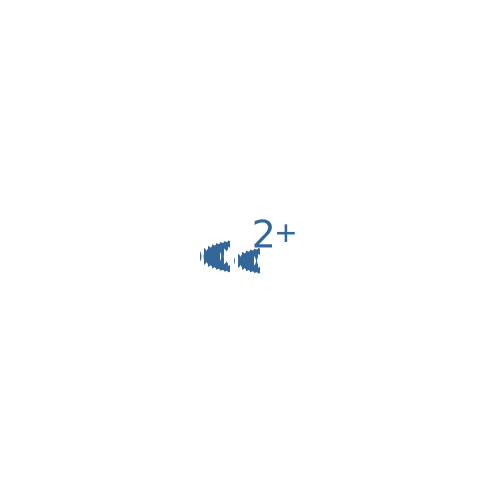
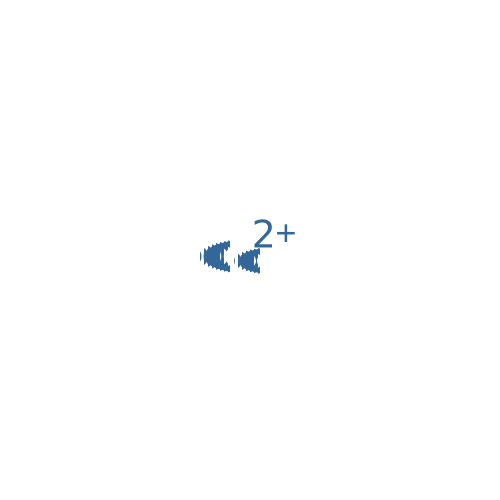
| Structure | Structure for HMDB0000608 (Cobalt)
| ||||||||||||||||||||||||||||||||||||||||||||||||||||||||||||||||||||||||||||||||||||||||||||||||||||||||
| Synonyms |
| ||||||||||||||||||||||||||||||||||||||||||||||||||||||||||||||||||||||||||||||||||||||||||||||||||||||||
| Chemical Formula | Co | ||||||||||||||||||||||||||||||||||||||||||||||||||||||||||||||||||||||||||||||||||||||||||||||||||||||||
| Average Molecular Weight | 58.9332 | ||||||||||||||||||||||||||||||||||||||||||||||||||||||||||||||||||||||||||||||||||||||||||||||||||||||||
| Monoisotopic Molecular Weight | 58.933200194 | ||||||||||||||||||||||||||||||||||||||||||||||||||||||||||||||||||||||||||||||||||||||||||||||||||||||||
| IUPAC Name | lambda2-cobalt(2+) ion | ||||||||||||||||||||||||||||||||||||||||||||||||||||||||||||||||||||||||||||||||||||||||||||||||||||||||
| Traditional Name | lambda2-cobalt(2+) ion | ||||||||||||||||||||||||||||||||||||||||||||||||||||||||||||||||||||||||||||||||||||||||||||||||||||||||
| CAS Registry Number | 7440-48-4 | ||||||||||||||||||||||||||||||||||||||||||||||||||||||||||||||||||||||||||||||||||||||||||||||||||||||||
| SMILES | [Co++] | ||||||||||||||||||||||||||||||||||||||||||||||||||||||||||||||||||||||||||||||||||||||||||||||||||||||||
| InChI Identifier | InChI=1S/Co/q+2 | ||||||||||||||||||||||||||||||||||||||||||||||||||||||||||||||||||||||||||||||||||||||||||||||||||||||||
| InChI Key | XLJKHNWPARRRJB-UHFFFAOYSA-N | ||||||||||||||||||||||||||||||||||||||||||||||||||||||||||||||||||||||||||||||||||||||||||||||||||||||||
| Chemical Taxonomy | |||||||||||||||||||||||||||||||||||||||||||||||||||||||||||||||||||||||||||||||||||||||||||||||||||||||||
| Description | Belongs to the class of inorganic compounds known as homogeneous transition metal compounds. These are inorganic compounds containing only metal atoms,with the largest atom being a transition metal atom. | ||||||||||||||||||||||||||||||||||||||||||||||||||||||||||||||||||||||||||||||||||||||||||||||||||||||||
| Kingdom | Inorganic compounds | ||||||||||||||||||||||||||||||||||||||||||||||||||||||||||||||||||||||||||||||||||||||||||||||||||||||||
| Super Class | Homogeneous metal compounds | ||||||||||||||||||||||||||||||||||||||||||||||||||||||||||||||||||||||||||||||||||||||||||||||||||||||||
| Class | Homogeneous transition metal compounds | ||||||||||||||||||||||||||||||||||||||||||||||||||||||||||||||||||||||||||||||||||||||||||||||||||||||||
| Sub Class | Not Available | ||||||||||||||||||||||||||||||||||||||||||||||||||||||||||||||||||||||||||||||||||||||||||||||||||||||||
| Direct Parent | Homogeneous transition metal compounds | ||||||||||||||||||||||||||||||||||||||||||||||||||||||||||||||||||||||||||||||||||||||||||||||||||||||||
| Alternative Parents | Not Available | ||||||||||||||||||||||||||||||||||||||||||||||||||||||||||||||||||||||||||||||||||||||||||||||||||||||||
| Substituents |
| ||||||||||||||||||||||||||||||||||||||||||||||||||||||||||||||||||||||||||||||||||||||||||||||||||||||||
| Molecular Framework | Not Available | ||||||||||||||||||||||||||||||||||||||||||||||||||||||||||||||||||||||||||||||||||||||||||||||||||||||||
| External Descriptors |
| ||||||||||||||||||||||||||||||||||||||||||||||||||||||||||||||||||||||||||||||||||||||||||||||||||||||||
| Ontology | |||||||||||||||||||||||||||||||||||||||||||||||||||||||||||||||||||||||||||||||||||||||||||||||||||||||||
| Physiological effect | Not Available | ||||||||||||||||||||||||||||||||||||||||||||||||||||||||||||||||||||||||||||||||||||||||||||||||||||||||
| Disposition | Biological location
| ||||||||||||||||||||||||||||||||||||||||||||||||||||||||||||||||||||||||||||||||||||||||||||||||||||||||
| Process | Naturally occurring process
| ||||||||||||||||||||||||||||||||||||||||||||||||||||||||||||||||||||||||||||||||||||||||||||||||||||||||
| Role | |||||||||||||||||||||||||||||||||||||||||||||||||||||||||||||||||||||||||||||||||||||||||||||||||||||||||
| Physical Properties | |||||||||||||||||||||||||||||||||||||||||||||||||||||||||||||||||||||||||||||||||||||||||||||||||||||||||
| State | Solid | ||||||||||||||||||||||||||||||||||||||||||||||||||||||||||||||||||||||||||||||||||||||||||||||||||||||||
| Experimental Molecular Properties |
| ||||||||||||||||||||||||||||||||||||||||||||||||||||||||||||||||||||||||||||||||||||||||||||||||||||||||
| Experimental Chromatographic Properties | Not Available | ||||||||||||||||||||||||||||||||||||||||||||||||||||||||||||||||||||||||||||||||||||||||||||||||||||||||
| Predicted Molecular Properties |
| ||||||||||||||||||||||||||||||||||||||||||||||||||||||||||||||||||||||||||||||||||||||||||||||||||||||||
| Predicted Chromatographic Properties | Predicted Retention TimesUnderivatized
Predicted Kovats Retention IndicesUnderivatized
| ||||||||||||||||||||||||||||||||||||||||||||||||||||||||||||||||||||||||||||||||||||||||||||||||||||||||
| Spectra | |||||||||||||||||||||||||||||||||||||||||||||||||||||||||||||||||||||||||||||||||||||||||||||||||||||||||
MS/MS Spectra
| |||||||||||||||||||||||||||||||||||||||||||||||||||||||||||||||||||||||||||||||||||||||||||||||||||||||||
| Biological Properties | |||||||||||||||||||||||||||||||||||||||||||||||||||||||||||||||||||||||||||||||||||||||||||||||||||||||||
| Cellular Locations | Not Available | ||||||||||||||||||||||||||||||||||||||||||||||||||||||||||||||||||||||||||||||||||||||||||||||||||||||||
| Biospecimen Locations |
| ||||||||||||||||||||||||||||||||||||||||||||||||||||||||||||||||||||||||||||||||||||||||||||||||||||||||
| Tissue Locations |
| ||||||||||||||||||||||||||||||||||||||||||||||||||||||||||||||||||||||||||||||||||||||||||||||||||||||||
| Pathways |
| ||||||||||||||||||||||||||||||||||||||||||||||||||||||||||||||||||||||||||||||||||||||||||||||||||||||||
| Normal Concentrations | |||||||||||||||||||||||||||||||||||||||||||||||||||||||||||||||||||||||||||||||||||||||||||||||||||||||||
| |||||||||||||||||||||||||||||||||||||||||||||||||||||||||||||||||||||||||||||||||||||||||||||||||||||||||
| Abnormal Concentrations | |||||||||||||||||||||||||||||||||||||||||||||||||||||||||||||||||||||||||||||||||||||||||||||||||||||||||
| |||||||||||||||||||||||||||||||||||||||||||||||||||||||||||||||||||||||||||||||||||||||||||||||||||||||||
| Associated Disorders and Diseases | |||||||||||||||||||||||||||||||||||||||||||||||||||||||||||||||||||||||||||||||||||||||||||||||||||||||||
| Disease References |
| ||||||||||||||||||||||||||||||||||||||||||||||||||||||||||||||||||||||||||||||||||||||||||||||||||||||||
| Associated OMIM IDs | |||||||||||||||||||||||||||||||||||||||||||||||||||||||||||||||||||||||||||||||||||||||||||||||||||||||||
| External Links | |||||||||||||||||||||||||||||||||||||||||||||||||||||||||||||||||||||||||||||||||||||||||||||||||||||||||
| DrugBank ID | Not Available | ||||||||||||||||||||||||||||||||||||||||||||||||||||||||||||||||||||||||||||||||||||||||||||||||||||||||
| Phenol Explorer Compound ID | Not Available | ||||||||||||||||||||||||||||||||||||||||||||||||||||||||||||||||||||||||||||||||||||||||||||||||||||||||
| FooDB ID | FDB003581 | ||||||||||||||||||||||||||||||||||||||||||||||||||||||||||||||||||||||||||||||||||||||||||||||||||||||||
| KNApSAcK ID | Not Available | ||||||||||||||||||||||||||||||||||||||||||||||||||||||||||||||||||||||||||||||||||||||||||||||||||||||||
| Chemspider ID | 94546 | ||||||||||||||||||||||||||||||||||||||||||||||||||||||||||||||||||||||||||||||||||||||||||||||||||||||||
| KEGG Compound ID | C00175 | ||||||||||||||||||||||||||||||||||||||||||||||||||||||||||||||||||||||||||||||||||||||||||||||||||||||||
| BioCyc ID | Not Available | ||||||||||||||||||||||||||||||||||||||||||||||||||||||||||||||||||||||||||||||||||||||||||||||||||||||||
| BiGG ID | Not Available | ||||||||||||||||||||||||||||||||||||||||||||||||||||||||||||||||||||||||||||||||||||||||||||||||||||||||
| Wikipedia Link | Cobalt | ||||||||||||||||||||||||||||||||||||||||||||||||||||||||||||||||||||||||||||||||||||||||||||||||||||||||
| METLIN ID | Not Available | ||||||||||||||||||||||||||||||||||||||||||||||||||||||||||||||||||||||||||||||||||||||||||||||||||||||||
| PubChem Compound | 104729 | ||||||||||||||||||||||||||||||||||||||||||||||||||||||||||||||||||||||||||||||||||||||||||||||||||||||||
| PDB ID | Not Available | ||||||||||||||||||||||||||||||||||||||||||||||||||||||||||||||||||||||||||||||||||||||||||||||||||||||||
| ChEBI ID | 48828 | ||||||||||||||||||||||||||||||||||||||||||||||||||||||||||||||||||||||||||||||||||||||||||||||||||||||||
| Food Biomarker Ontology | Not Available | ||||||||||||||||||||||||||||||||||||||||||||||||||||||||||||||||||||||||||||||||||||||||||||||||||||||||
| VMH ID | COBALT2 | ||||||||||||||||||||||||||||||||||||||||||||||||||||||||||||||||||||||||||||||||||||||||||||||||||||||||
| MarkerDB ID | MDB00000200 | ||||||||||||||||||||||||||||||||||||||||||||||||||||||||||||||||||||||||||||||||||||||||||||||||||||||||
| Good Scents ID | Not Available | ||||||||||||||||||||||||||||||||||||||||||||||||||||||||||||||||||||||||||||||||||||||||||||||||||||||||
| References | |||||||||||||||||||||||||||||||||||||||||||||||||||||||||||||||||||||||||||||||||||||||||||||||||||||||||
| Synthesis Reference | Not Available | ||||||||||||||||||||||||||||||||||||||||||||||||||||||||||||||||||||||||||||||||||||||||||||||||||||||||
| Material Safety Data Sheet (MSDS) | Download (PDF) | ||||||||||||||||||||||||||||||||||||||||||||||||||||||||||||||||||||||||||||||||||||||||||||||||||||||||
| General References |
| ||||||||||||||||||||||||||||||||||||||||||||||||||||||||||||||||||||||||||||||||||||||||||||||||||||||||
Only showing the first 10 proteins. There are 27 proteins in total.
Enzymes
- General function:
- Involved in cobalamin binding
- Specific function:
- Catalyzes the transfer of a methyl group from methyl-cobalamin to homocysteine, yielding enzyme-bound cob(I)alamin and methionine. Subsequently, remethylates the cofactor using methyltetrahydrofolate (By similarity).
- Gene Name:
- MTR
- Uniprot ID:
- Q99707
- Molecular weight:
- 140525.91
- General function:
- Involved in catalytic activity
- Specific function:
- Hydrolyzes lysophospholipids to produce lysophosphatidic acid (LPA) in extracellular fluids. Major substrate is lysophosphatidylcholine. Also can act on sphingosylphosphphorylcholine producing sphingosine-1-phosphate, a modulator of cell motility. Can hydrolyze, in vitro, bis-pNPP, to some extent pNP-TMP, and barely ATP. Involved in several motility-related processes such as angiogenesis and neurite outgrowth. Acts as an angiogenic factor by stimulating migration of smooth muscle cells and microtubule formation. Stimulates migration of melanoma cells, probably via a pertussis toxin-sensitive G protein. May have a role in induction of parturition. Possible involvement in cell proliferation and adipose tissue development. Tumor cell motility-stimulating factor.
- Gene Name:
- ENPP2
- Uniprot ID:
- Q13822
- Molecular weight:
- 98992.78
- General function:
- Involved in isomerase activity
- Specific function:
- Involved in the degradation of several amino acids, odd-chain fatty acids and cholesterol via propionyl-CoA to the tricarboxylic acid cycle. MCM has different functions in other species.
- Gene Name:
- MUT
- Uniprot ID:
- P22033
- Molecular weight:
- 83133.755
- General function:
- Involved in methionine adenosyltransferase activity
- Specific function:
- Catalyzes the formation of S-adenosylmethionine from methionine and ATP.
- Gene Name:
- MAT2A
- Uniprot ID:
- P31153
- Molecular weight:
- 43660.37
- General function:
- Involved in methionine adenosyltransferase activity
- Specific function:
- Catalyzes the formation of S-adenosylmethionine from methionine and ATP.
- Gene Name:
- MAT1A
- Uniprot ID:
- Q00266
- Molecular weight:
- 43647.6
- General function:
- Involved in catalytic activity
- Specific function:
- Cleaves A-5'-PPP-5'A to yield AMP and ADP. Possible tumor suppressor for specific tissues.
- Gene Name:
- FHIT
- Uniprot ID:
- P49789
- Molecular weight:
- 16858.11
- General function:
- Involved in catalytic activity
- Specific function:
- Plays a role in signal transduction by regulating the intracellular concentration of cyclic nucleotides. This phosphodiesterase catalyzes the specific hydrolysis of cGMP to 5'-GMP.
- Gene Name:
- PDE5A
- Uniprot ID:
- O76074
- Molecular weight:
- 99984.14
- General function:
- Involved in transferase activity, transferring hexosyl groups
- Specific function:
- Has both beta-1,3-glucuronic acid and beta-1,4-N-acetylgalactosamine transferase activity. Transfers glucuronic acid (GlcUA) from UDP-GlcUA and N-acetylgalactosamine (GalNAc) from UDP-GalNAc to the non-reducing end of the elongating chondroitin polymer. Specific activity is much reduced compared to CHSY1.
- Gene Name:
- CHSY3
- Uniprot ID:
- Q70JA7
- Molecular weight:
- 100283.535
- General function:
- Involved in transferase activity, transferring hexosyl groups
- Specific function:
- Has both beta-1,3-glucuronic acid and beta-1,4-N-acetylgalactosamine transferase activity. Transfers glucuronic acid (GlcUA) from UDP-GlcUA and N-acetylgalactosamine (GalNAc) from UDP-GalNAc to the non-reducing end of the elongating chondroitin polymer.
- Gene Name:
- CHPF
- Uniprot ID:
- Q8IZ52
- Molecular weight:
- 68367.94
- General function:
- Involved in transferase activity, transferring hexosyl groups
- Specific function:
- Has both beta-1,3-glucuronic acid and beta-1,4-N-acetylgalactosamine transferase activity. Transfers glucuronic acid (GlcUA) from UDP-GlcUA and N-acetylgalactosamine (GalNAc) from UDP-GalNAc to the non-reducing end of the elongating chondroitin polymer. Involved in the negative control of osteogenesis likely through the modulation of NOTCH signaling.
- Gene Name:
- CHSY1
- Uniprot ID:
- Q86X52
- Molecular weight:
- 91783.785
Transporters
- General function:
- Involved in cobalamin binding
- Specific function:
- Primary vitamin B12-binding and transport protein. Delivers cobalamin to cells
- Gene Name:
- TCN2
- Uniprot ID:
- P20062
- Molecular weight:
- 47534.5
- General function:
- Involved in cobalamin binding
- Specific function:
- Vitamin B12-binding protein. Transports cobalamin into cells
- Gene Name:
- TCN1
- Uniprot ID:
- P20061
- Molecular weight:
- 48206.3
- General function:
- Involved in cobalamin binding
- Specific function:
- Promotes absorption of the essential vitamin cobalamin (Cbl) in the ileum by specific receptor-mediated endocytosis
- Gene Name:
- GIF
- Uniprot ID:
- P27352
- Molecular weight:
- 45415.7
- General function:
- Involved in calcium ion binding
- Specific function:
- Cotransporter which plays a role in lipoprotein, vitamin and iron metabolism, by facilitating their uptake. Binds to ALB, MB, Kappa and lambda-light chains, TF, hemoglobin, GC, SCGB1A1, APOA1, high density lipoprotein, and the GIF-cobalamin complex. The binding of all ligands required calcium. Serves as important transporter in several absorptive epithelia, including intestine, renal proximal tubules and embryonic yolk sac. Interaction with LRP2 mediates its trafficking throughout vesicles and facilitates the uptake of specific ligands like GC, hemoglobin, ALB, TF and SCGB1A1. Interaction with AMN controls its trafficking to the plasma membrane and facilitates endocytosis of ligands. May play an important role in the development of the peri-implantation embryo through internalization of APOA1 and cholesterol. Binds to LGALS3 at the maternal-fetal interface
- Gene Name:
- CUBN
- Uniprot ID:
- O60494
- Molecular weight:
- 398672.8
Only showing the first 10 proteins. There are 27 proteins in total.